

Among the premieres of the past season at the Csokonai National Theatre in Debrecen was Nincstelenek / The Dispossessed, a stage adaptation of the only novel written by Hungarian poet Borbély Szilárd, marking 2024 as the 10th anniversary of his death. With director Bálint Botos and playwright Réka Dálnoky at the helm, the performance offers a sorrowful gaze toward the past, toward the mentalities and people of those times, to observe that, in fact, many things have not changed. The individual was, and still is, as lonely in the face of history and the changes it brings, and one's status and sense of belonging to a community can change almost unnoticed. At the same time, it raises an important question: despite the socio-political fluctuations, is the individual capable of moving forward or will they remain shackled by them?
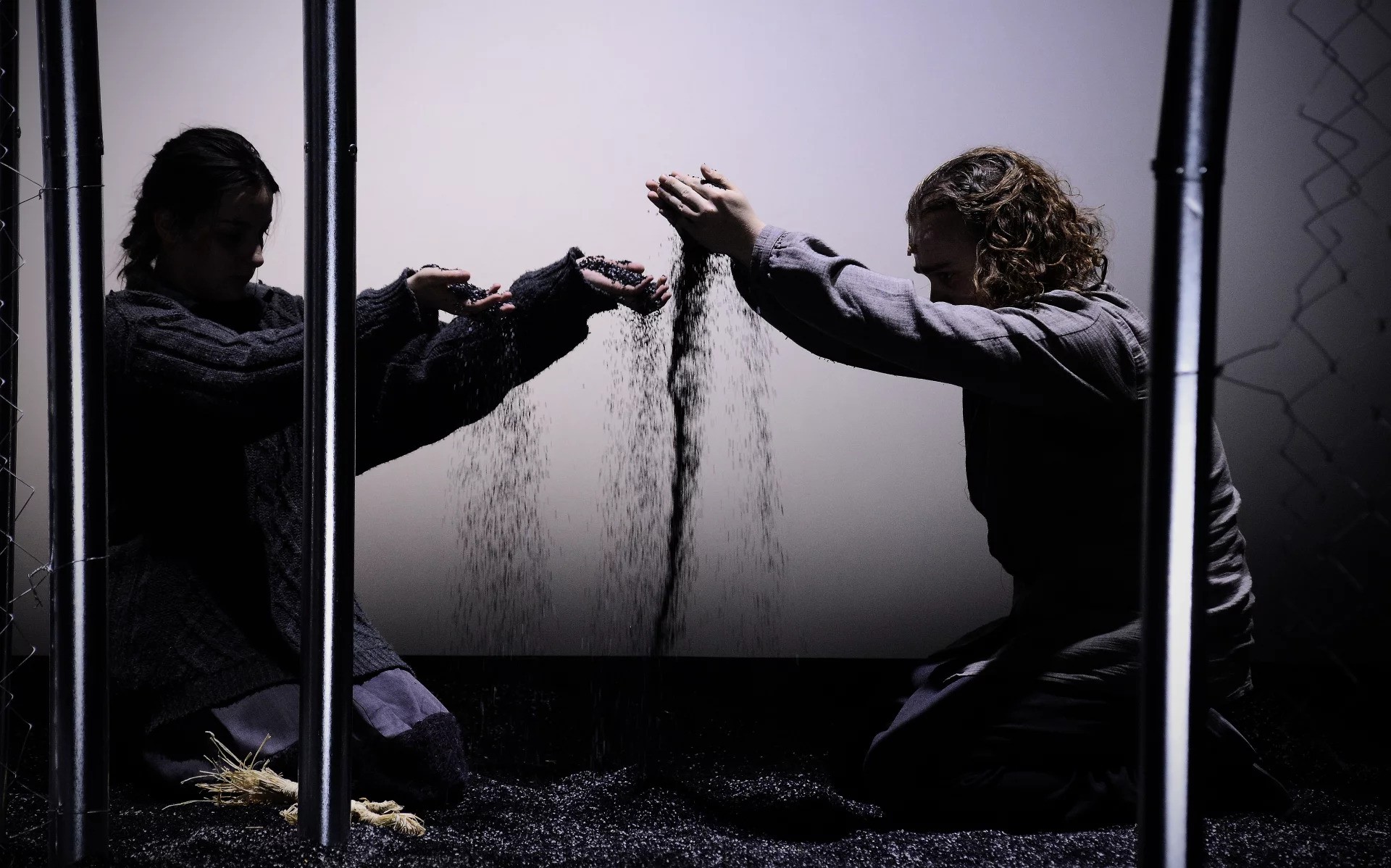
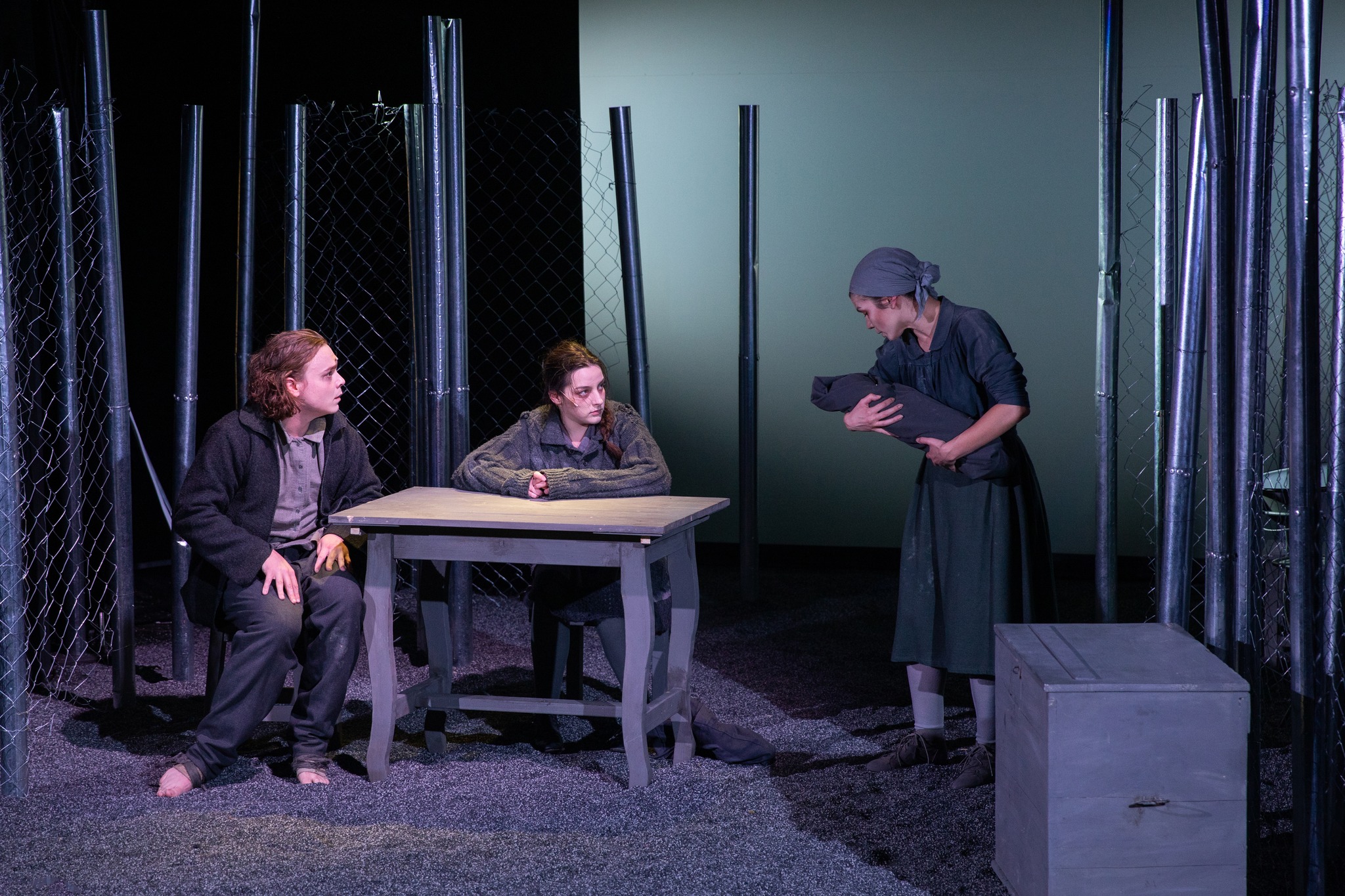
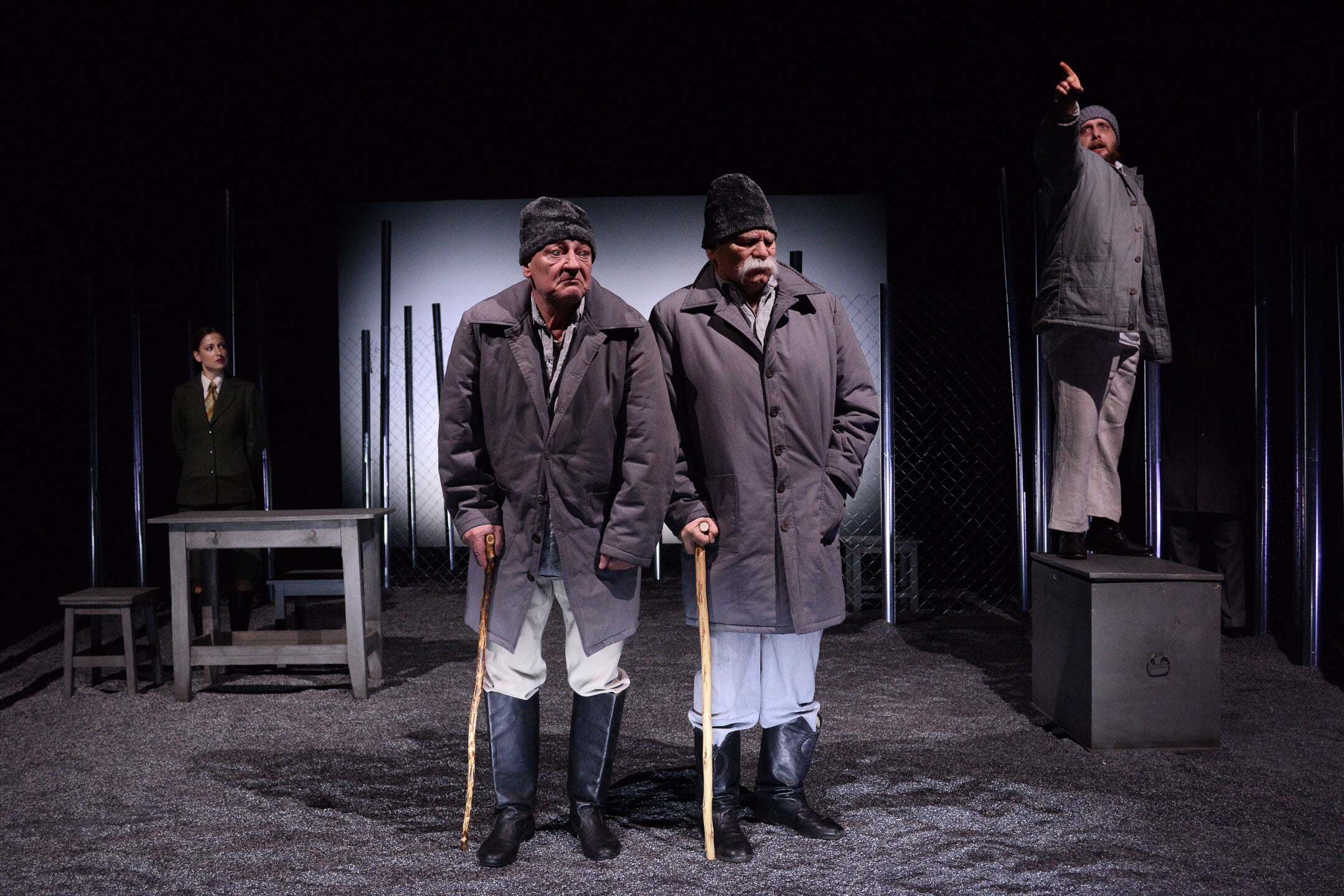
What Bálint Botos manages to do through this performance is not only to credibly portray the crisis of an individual caught in a tumultuous historical period, where even freedom itself is put in danger and taken away through various tricks, but to offer an added layer of emotion by showing it through the eyes of a child who tries to understand what is happening around him, forced to endure the harsh consequences of the ostracism imposed on him and their family. Thus, the director focuses his creative energy on the family formed by the characters played by Márk Komlódy (the boy in the family, as mentioned above), Gabriella Szász (the older sister), Imelda Hajdu (the mother), Hunor Pál (the father), and the youngest brother. An interesting aspect is how, despite the mother constantly claiming that they are different from the other villagers, distancing themselves from them, they remain an unnamed family throughout the performance. The resistance against being forgotten and breaking free from a statistical regiment proves to be too weak against the all-encompassing and homogenizing force of history.
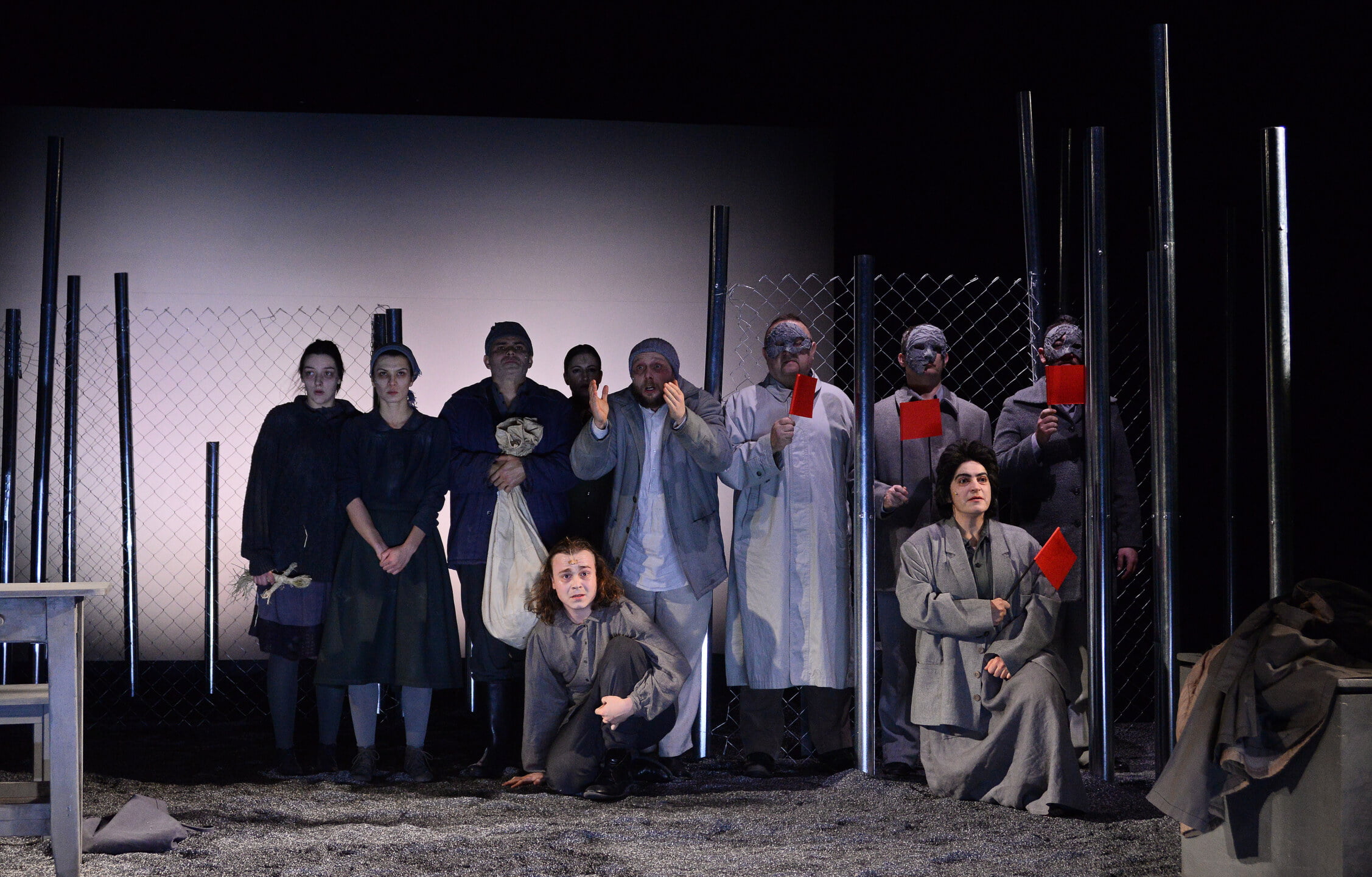
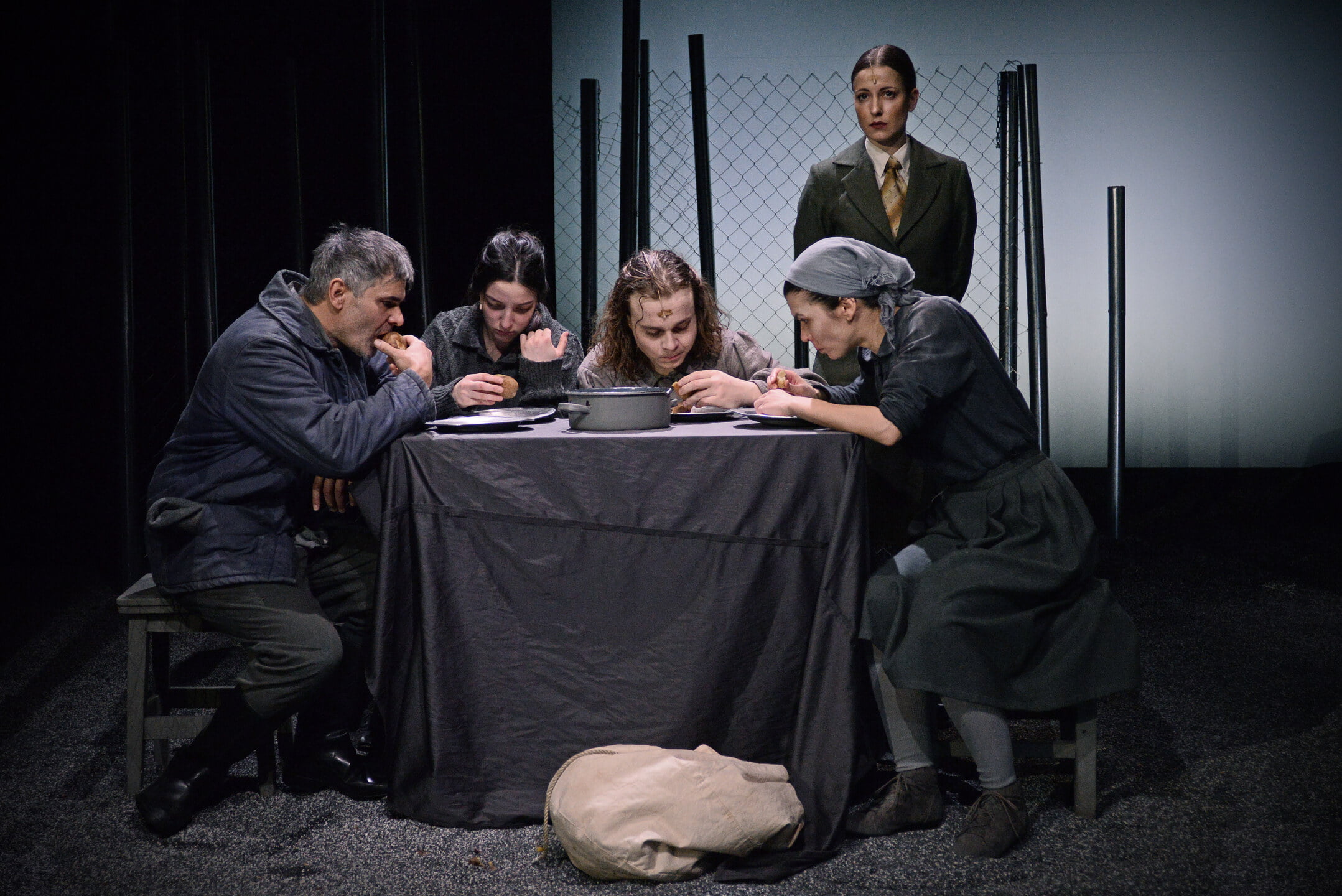
Furthermore, the performance also captures the social collapse caused by political changes, with the one who suffers the most being the father, who is fired from his job and systematically denied other work opportunities, only being offered menial tasks with very little pay. Similarly to a scarlet letter printed on him, one he cannot escape from, which creates family conflicts that will spiral into a cycle of frustration and smoldering anger. A consequence he pays for due to his genealogy, which contains an ancestor who was a general in the Horthy army, thus implying a vendetta fueled by classist motivations. Therefore, those who once benefited from privileges and freedoms can now be the ones whose freedoms and privileges are restricted and denied. This is also illustrated and emphasized with the revelations made to the children about how part of their ancestors were Romanians who were forced to Magyarize, learning the language and changing their names. It's commendable that this episode is presented in the performance in a straightforward and conclusive manner.
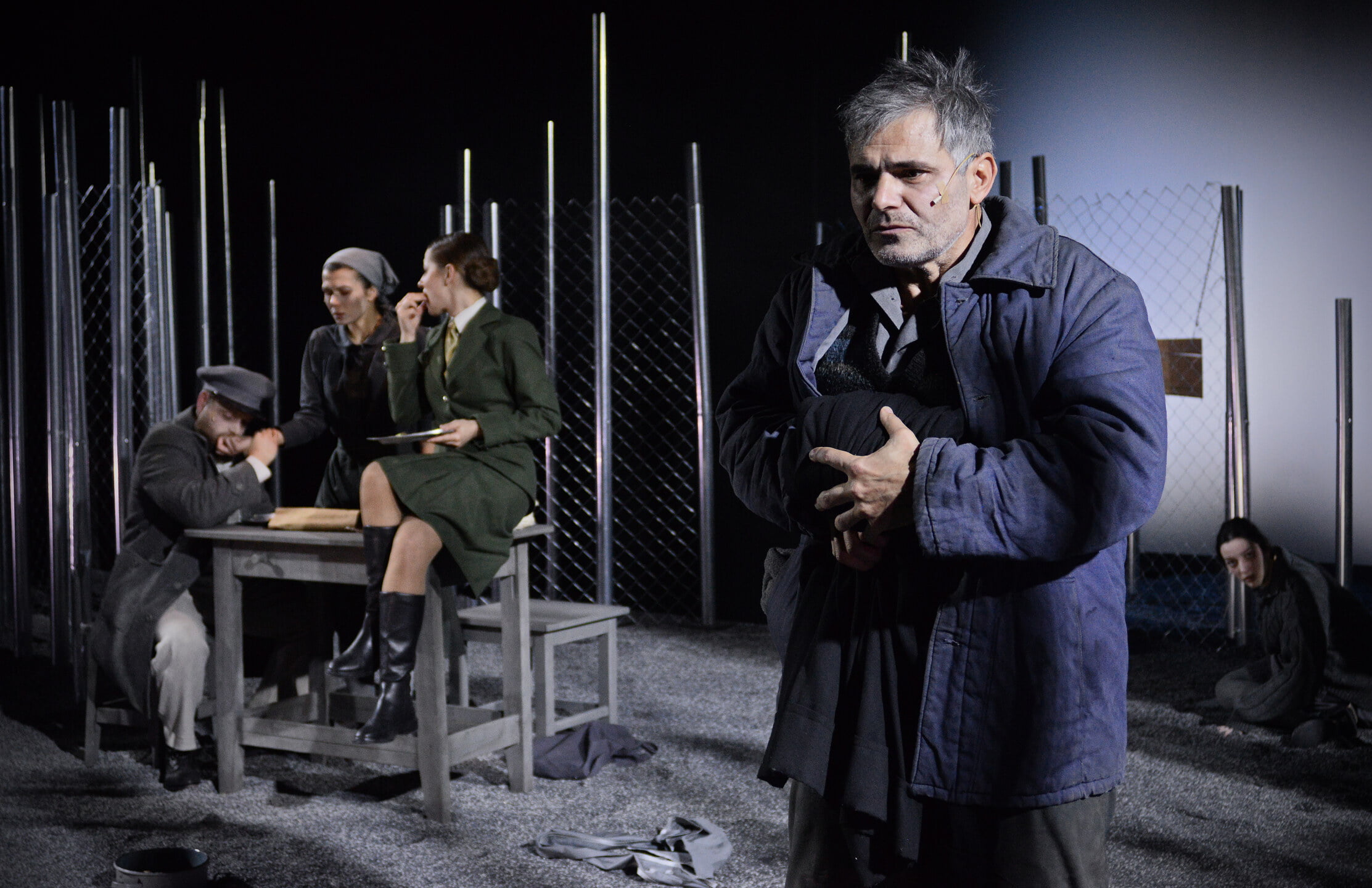
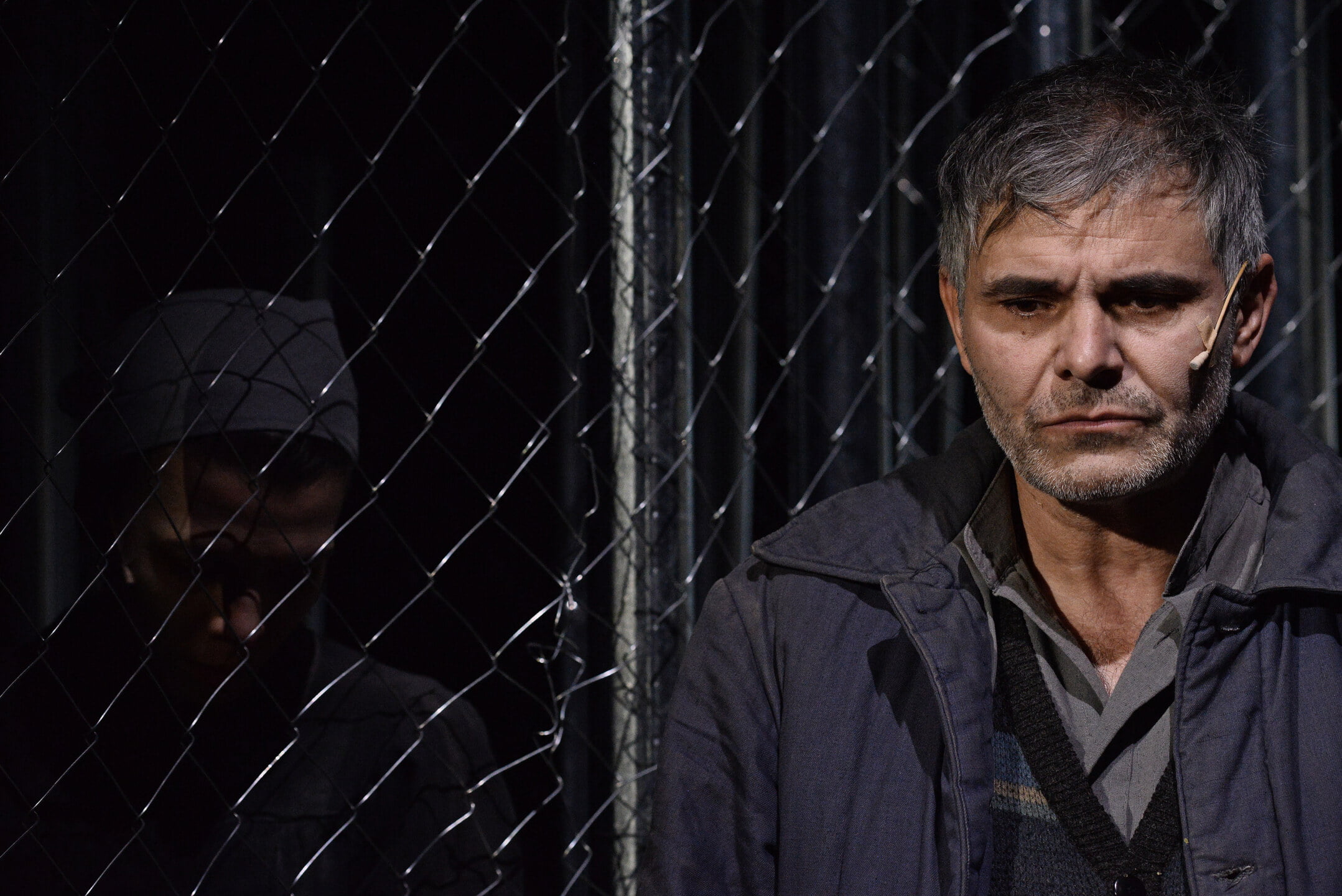
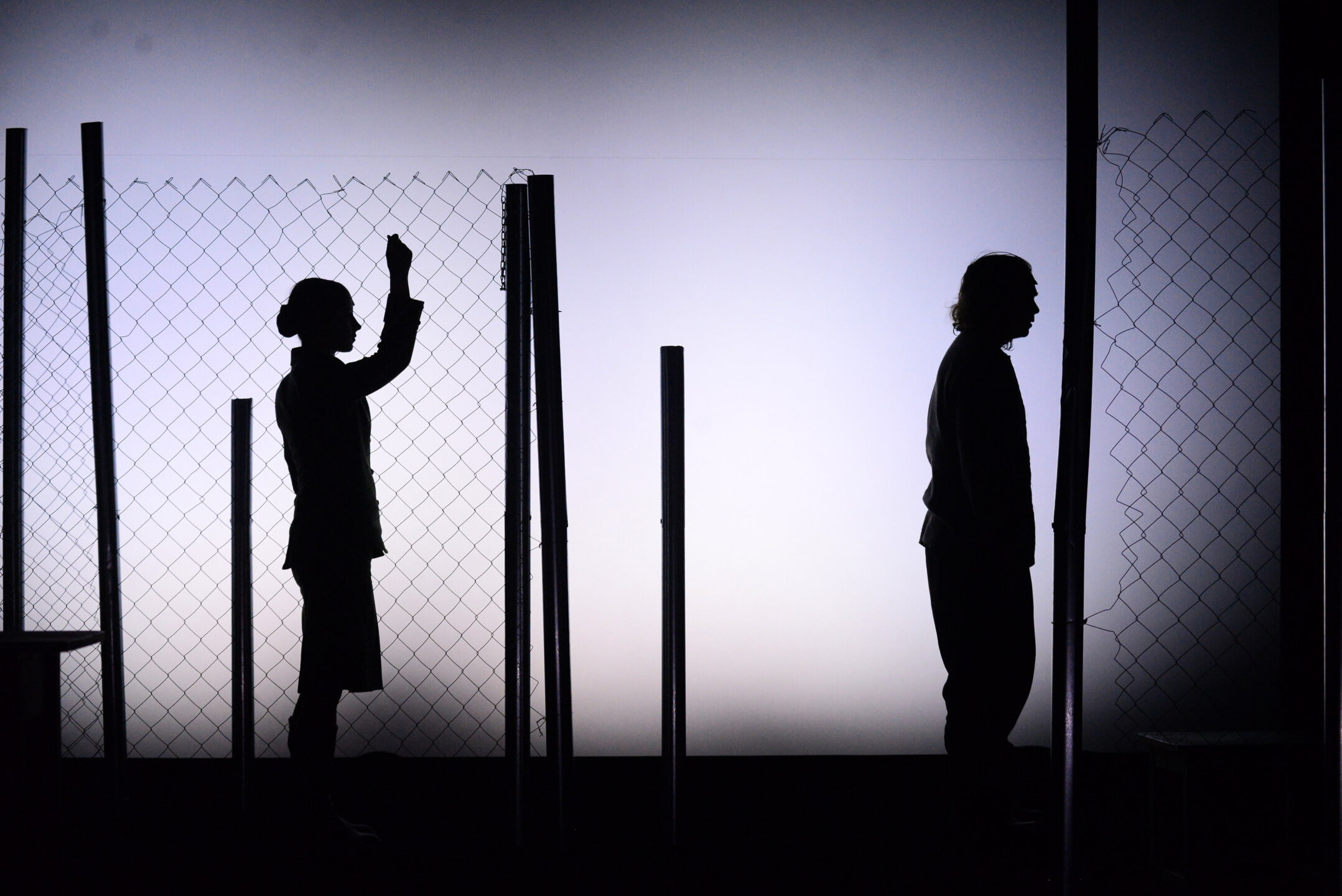
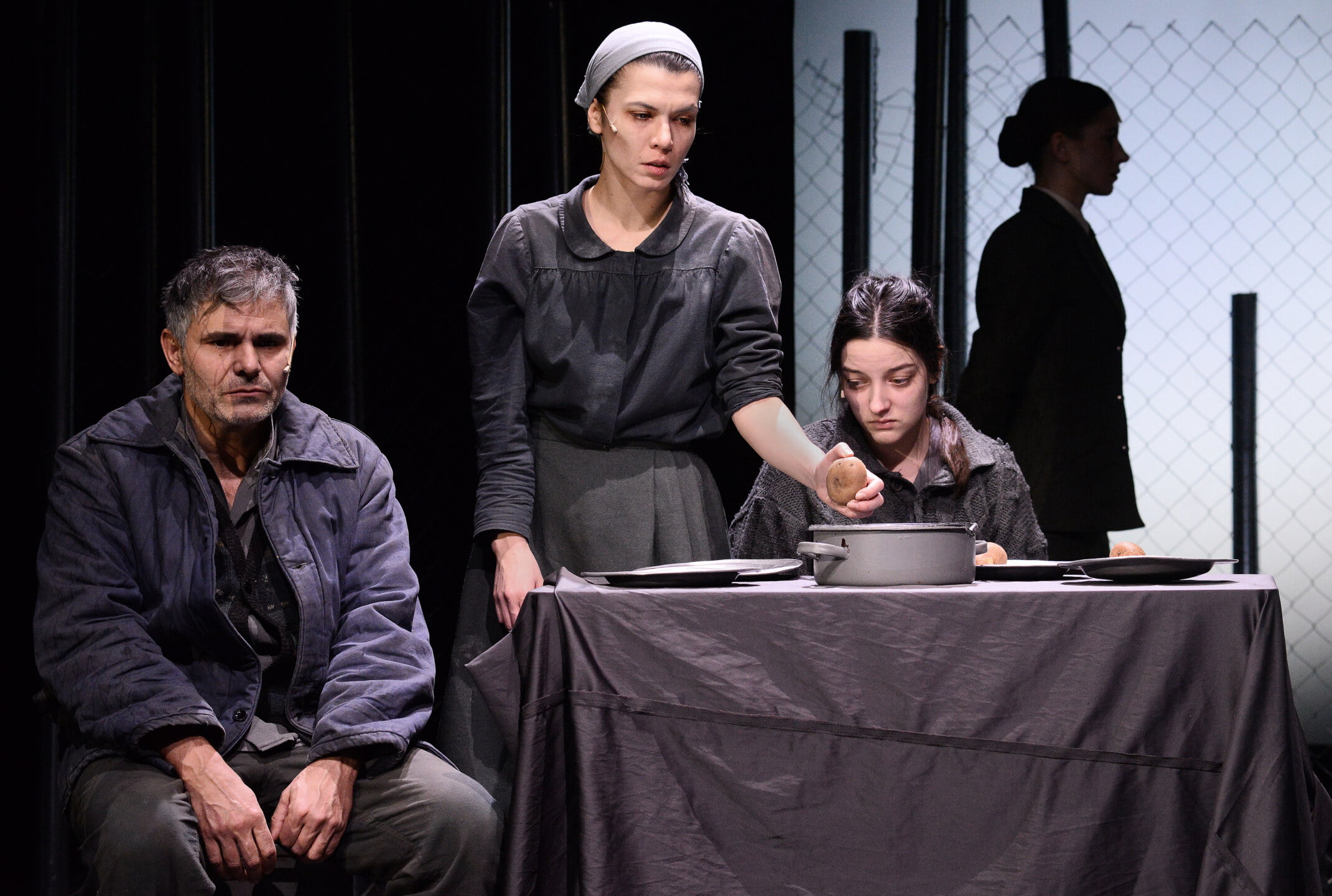
The theme of restricted freedom is explored excellently on a psychological level through its characters, who seem captive to the place where they live, despite the possibility of leaving, precisely because they have nothing left, akin to birds in a cage with an open door, but still trapped by the bars surrounding them. This aspect is captured by set designer Előd Golicza with his complementary decor: in the center, a shabby room, and on each side, iron columns and wire. Thus, an environment is assembled that is hostile and merciless toward the protagonists but not impossible to overcome... though requiring a sacrifice. A sacrifice that, in the end, the mother and children are strong enough to make. To flee from everything that was once familiar, but has now become alien to them. Moreover, in the case of the mother, to flee from her own stubbornness and admit defeat.
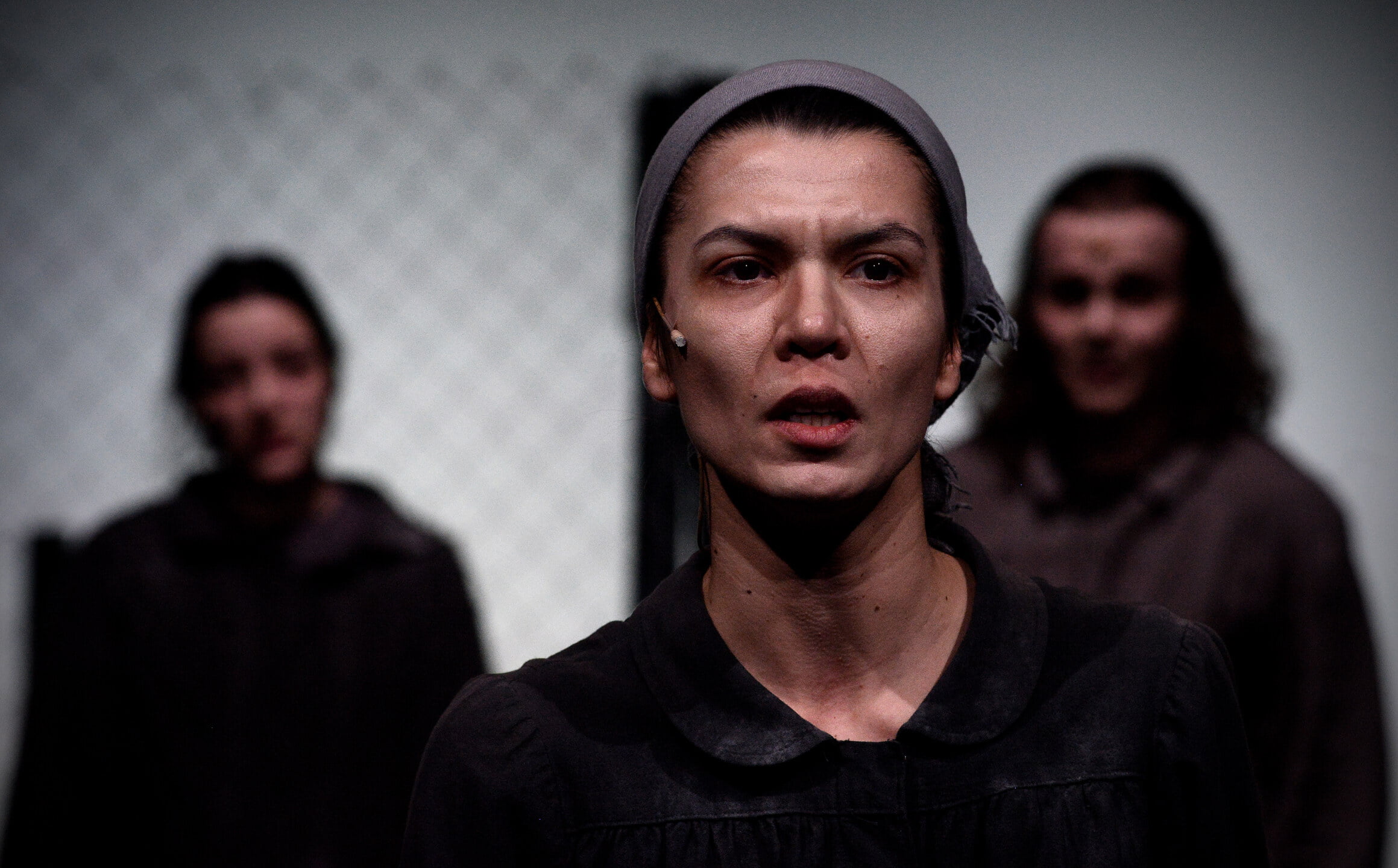
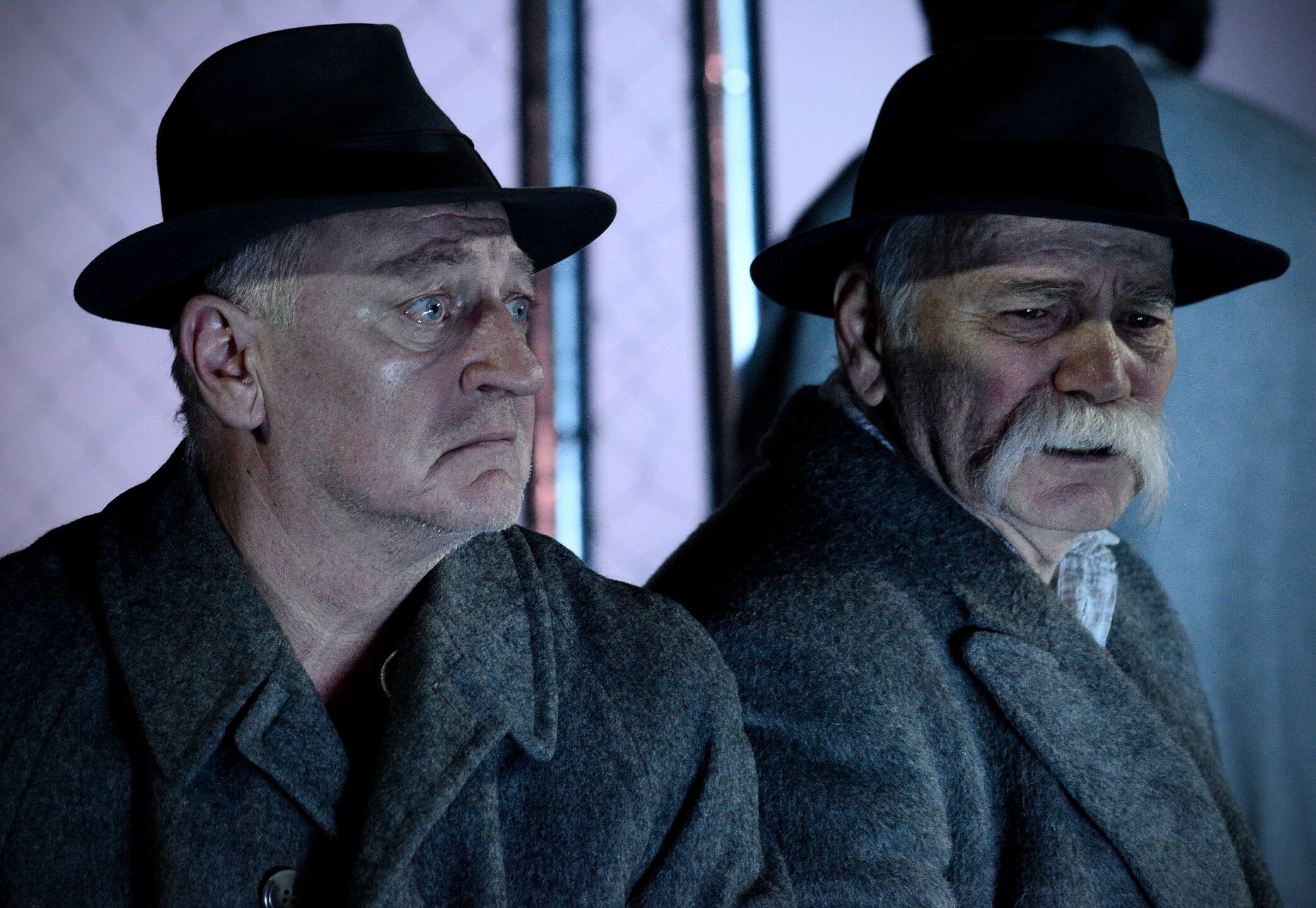
Another merit of director Bálint Botos is his impeccable casting, selecting a group of actors who bring their characters to life in a truly vivid way, with their emotions captured realistically and authentically. Young actors Márk Komlódy and Gabriella Szász solidify the overarching theme of war that weighs heavily throughout the performance, so that the emotions of children in such a harsh period, a period that forces them to mature prematurely, are all the more believable and intense. In fact, the character of Márk Komlódy is also the one through whose memories the entire story is told. Children who have to care for a mother who has fallen into a delirium, threatening to commit suicide in her sleep. An interesting and nuanced role that Imelda Hajdu takes on and handles with great tact, offering a powerful performance. Hunor Pál's interpretation of the father is one of the pillars on which the performance stands, with his deterioration and despair being impressively overwhelming, consuming him entirely, without any chance of success. Andrea Tokai is also an electrifying presence, playing Aunt Máli, a character who does not go unnoticed whenever she is on stage. She builds an eclectic, eccentric character who, despite her loneliness, remains strong and appears to be the only one capable of offering the children any kind of consolation. Perhaps the most striking scene with her is when, after the mother and children have managed to relocate, she visits them, asking if she can stay with them, only to be rejected by the mother, who replies, "You know why you can't stay," to which her response is, "This will be the last time we see each other." Máli truly represents the world they try to shelter from; her presence is a reminder of a hostile world that drove them away, so that in order to move forward, they must let go of any trace of the past they might cling to. Lastly, Evelin Szép portrays Mnemosyne, the Greek goddess of memory, under a military appearance, manifesting as a cold, distant presence, observing from the sidelines, and at times facilitating the recollection of forgotten memories, erased by the traumatic events experienced by the boy.
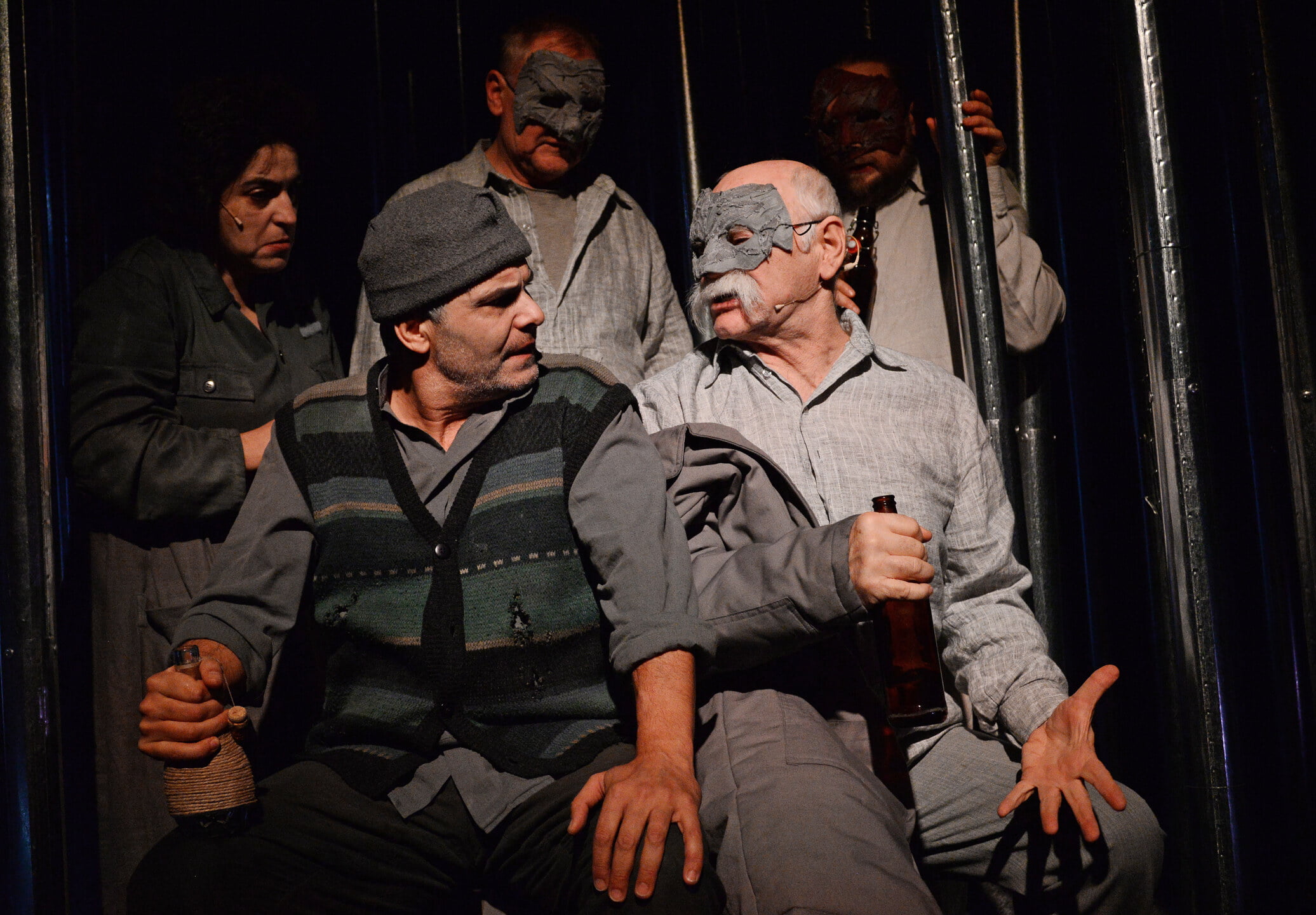
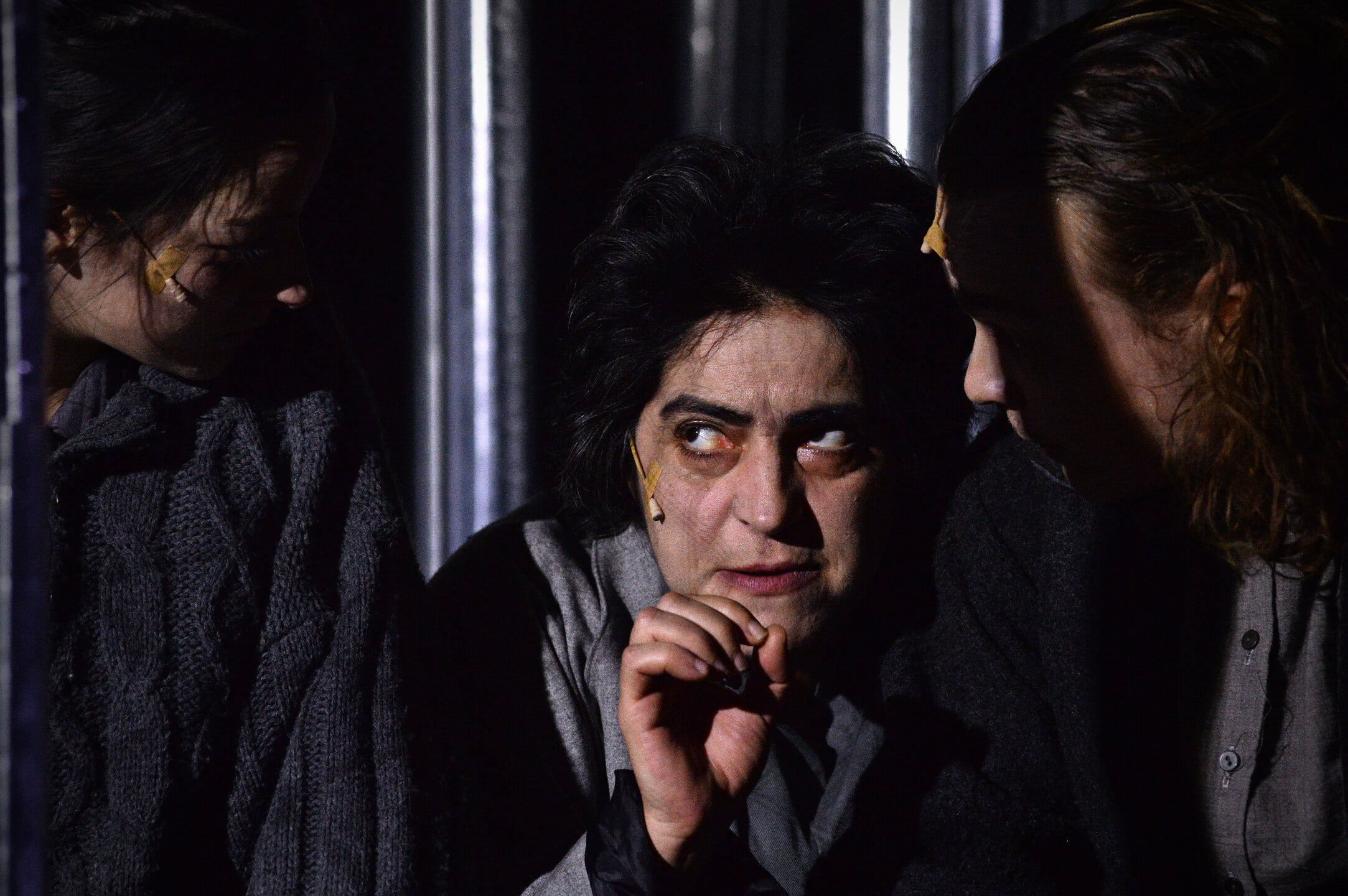
Nincstelenek / The Dispossessed is a testimony to the great danger represented by the loss of freedom under the auspices of oppressive systems, whose need and desire for cleansing can push an individual to the heights of despair, completely breaking their spirit. It is also an exploration of the mutations that different eras can bring to the hierarchical-social order of a community and the unyielding claims that emerge with them, all within a collective where shortages and privileges are exploited to divide and expose the still-unhealed wounds of the past. An image that, as much as we may wish it were foreign, is all too familiar.